Rooms

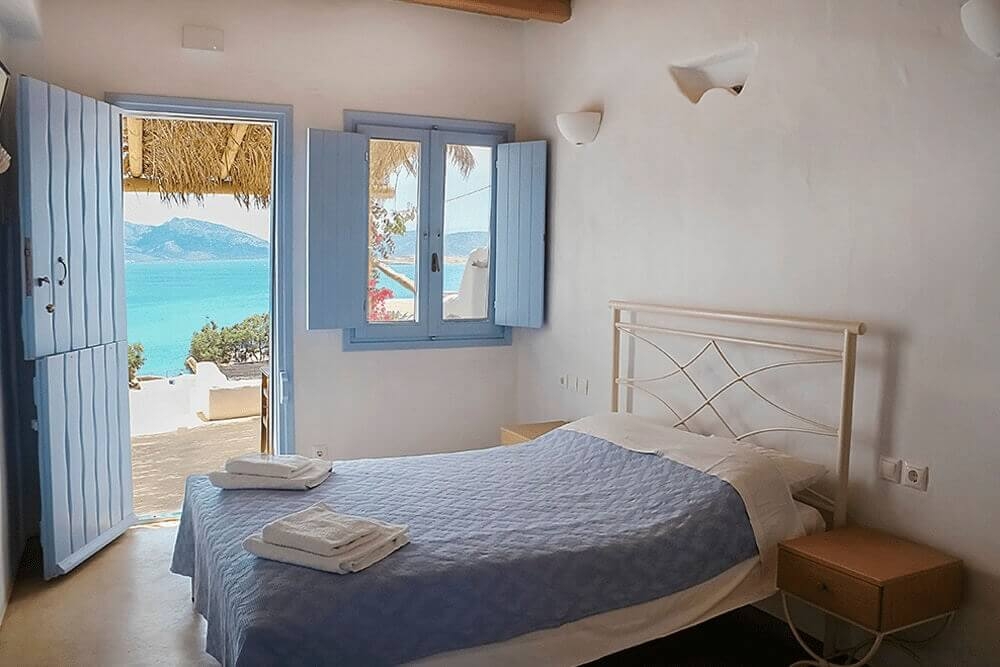
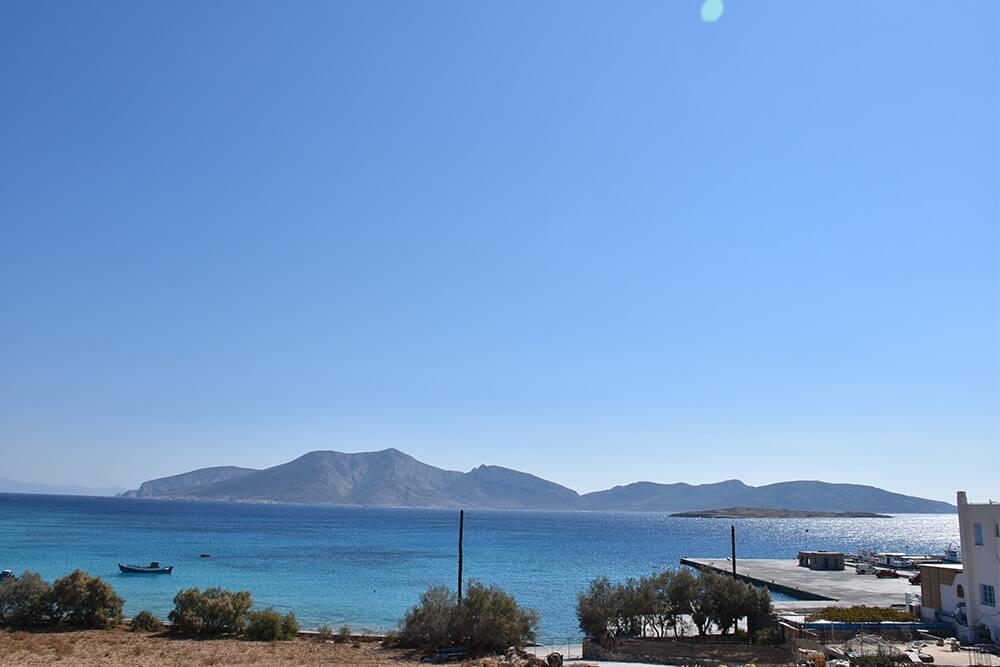
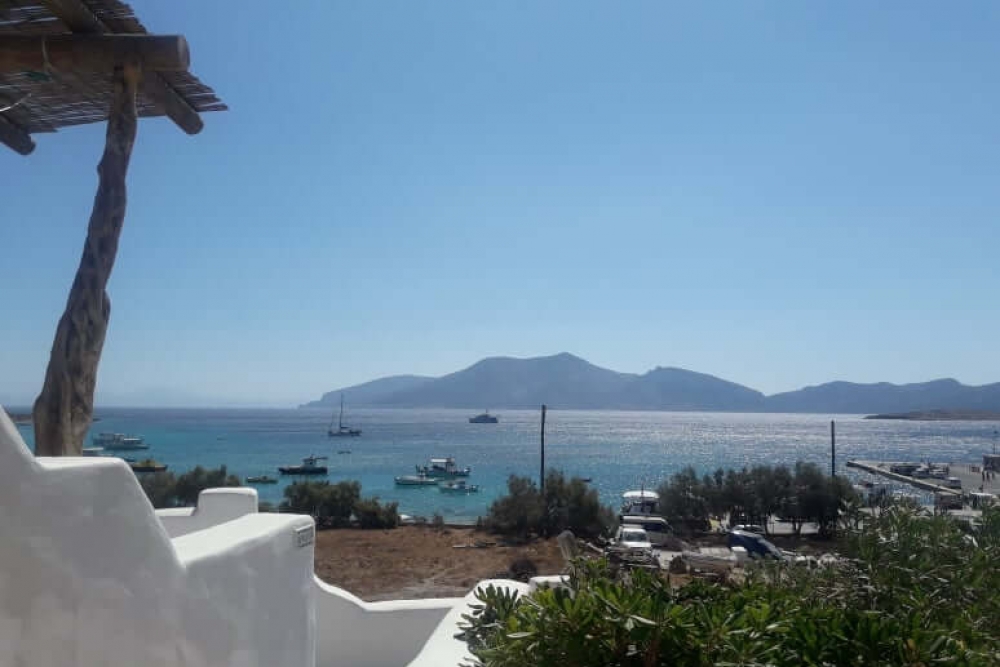
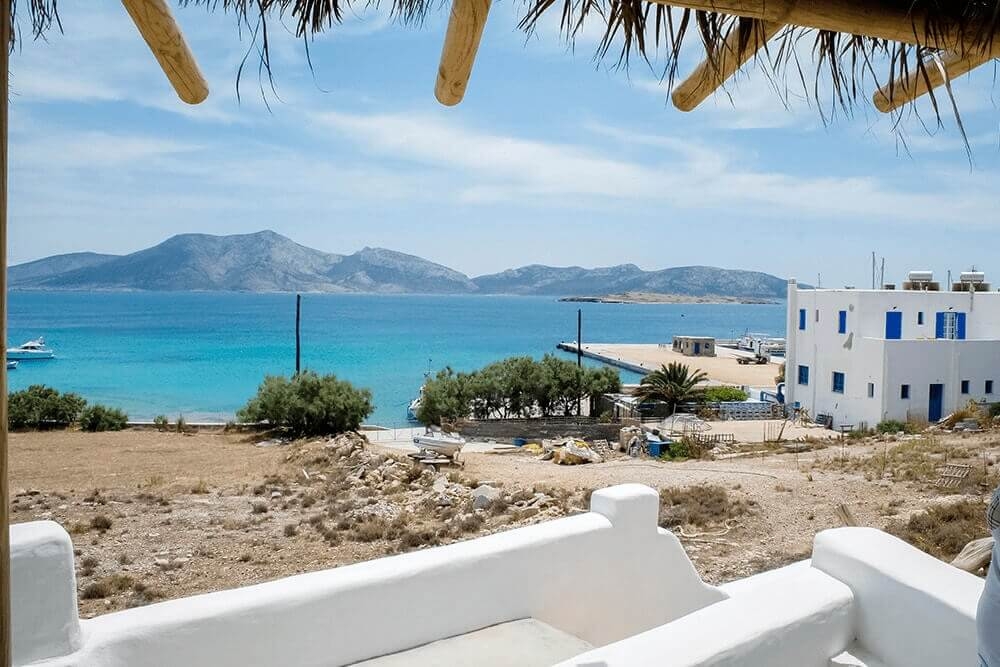
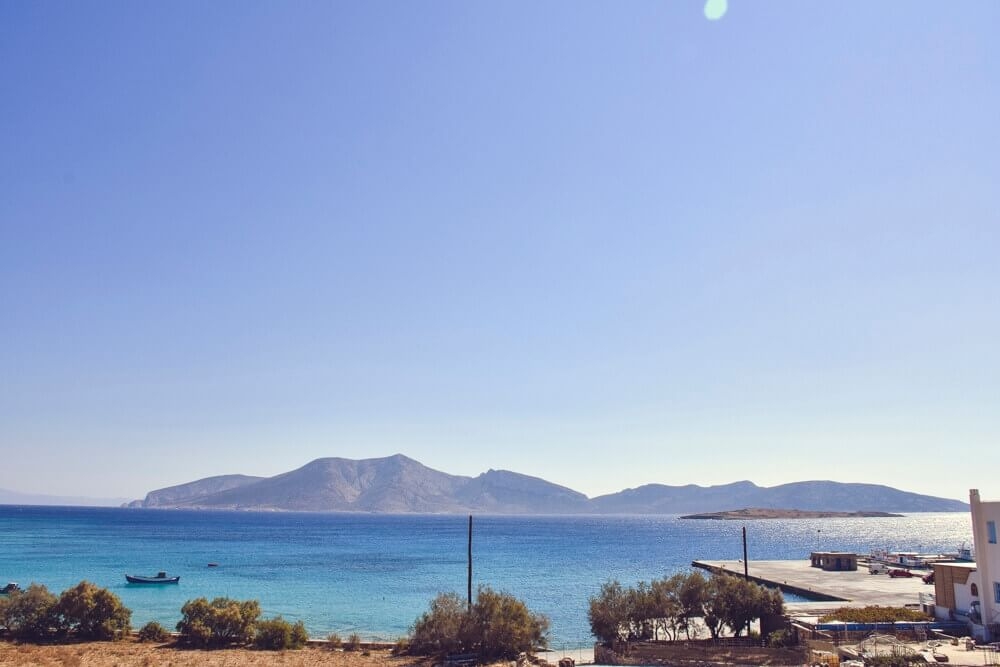
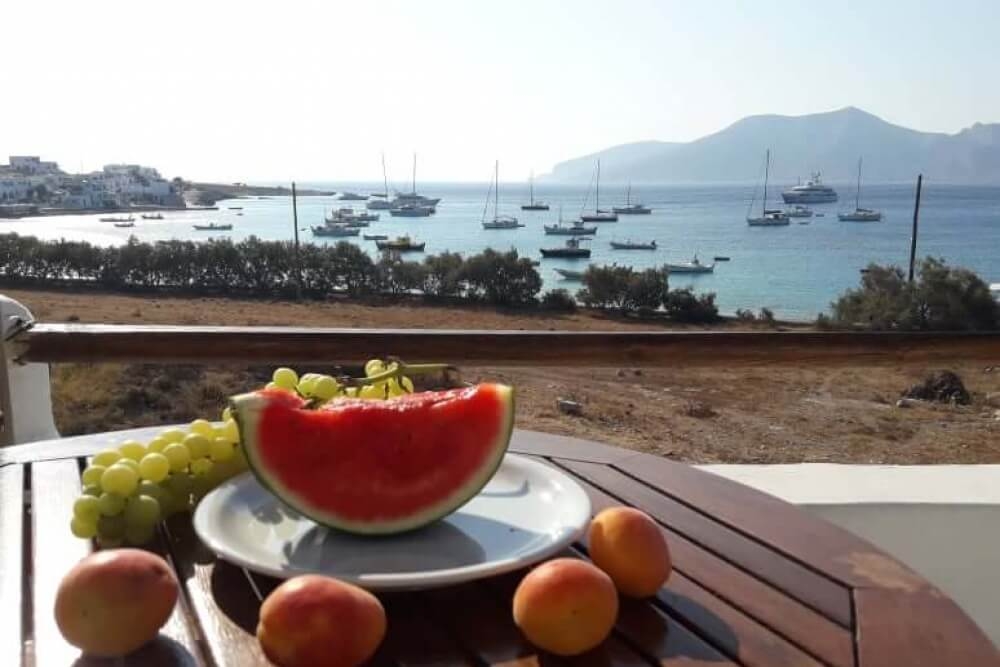
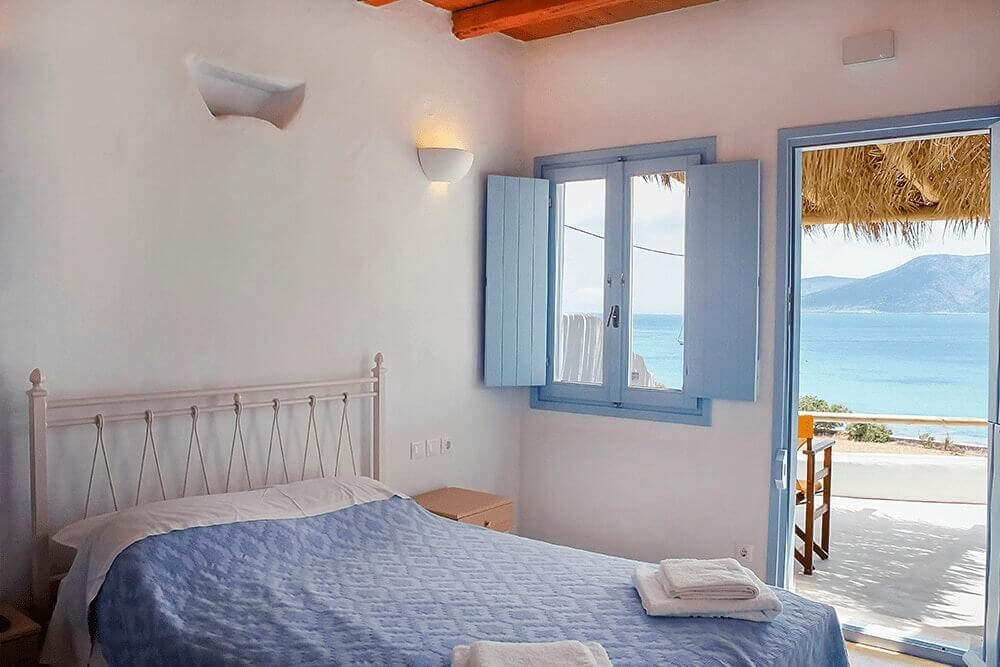
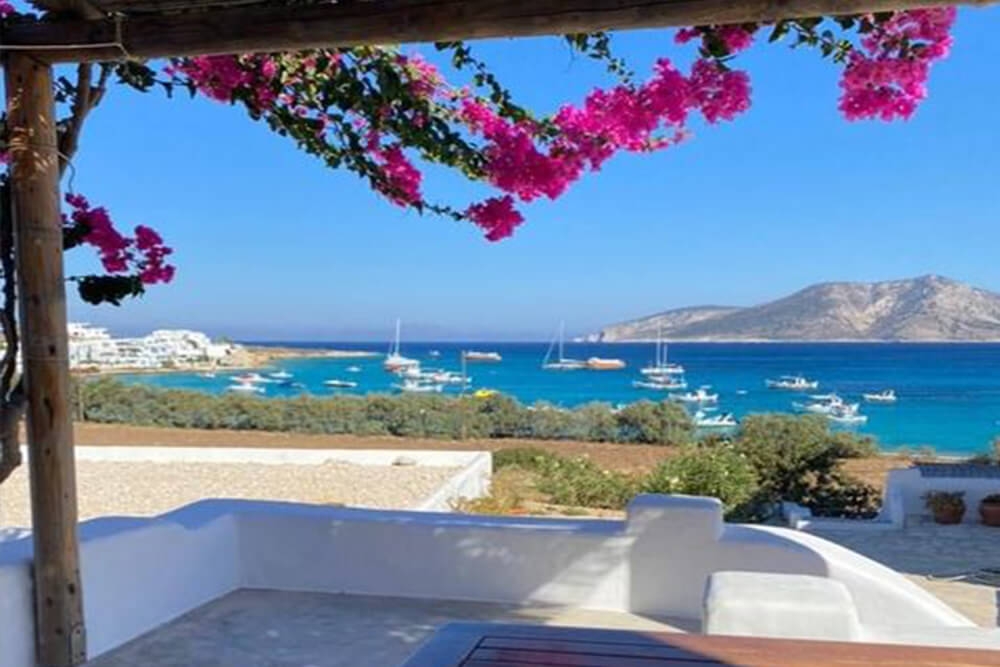
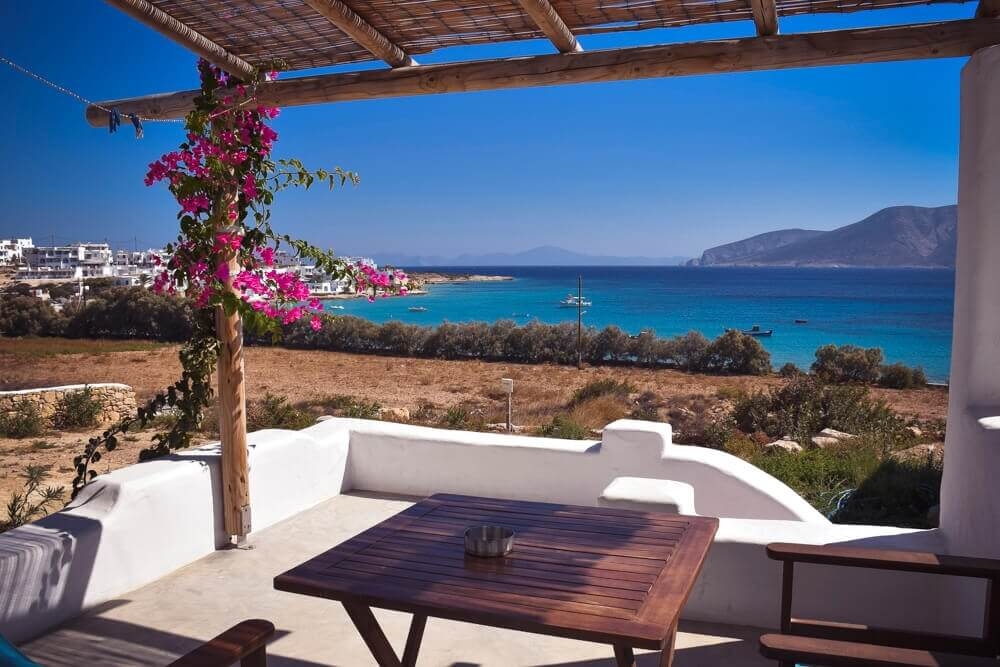
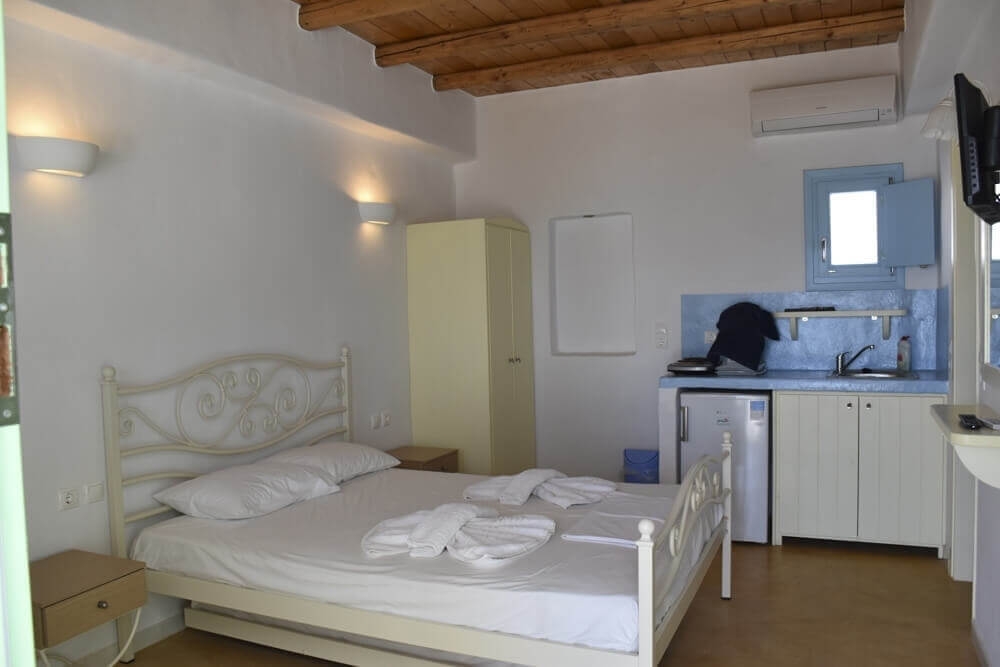
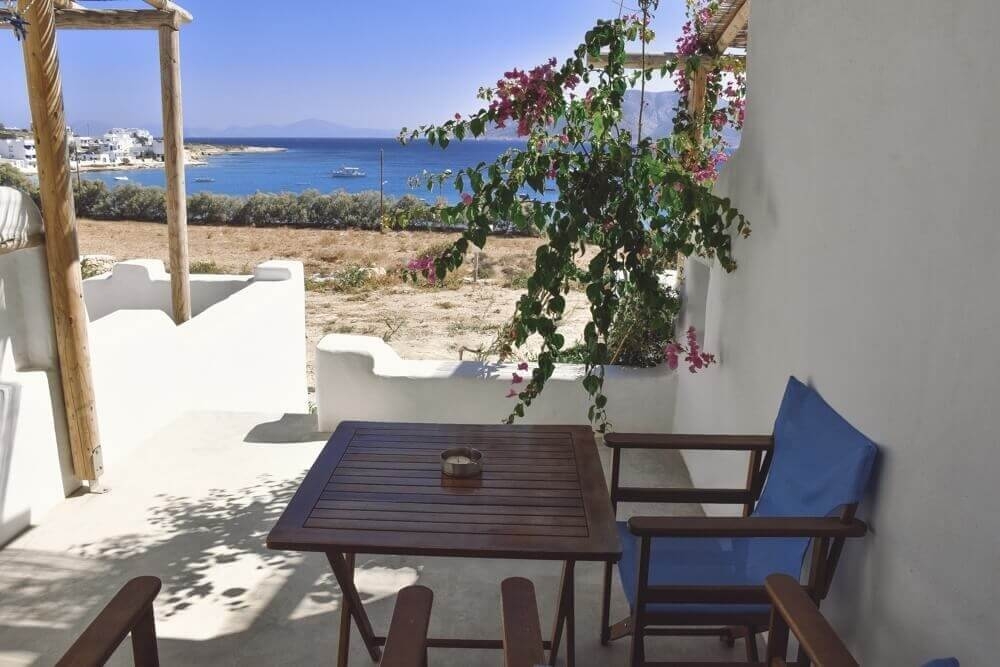
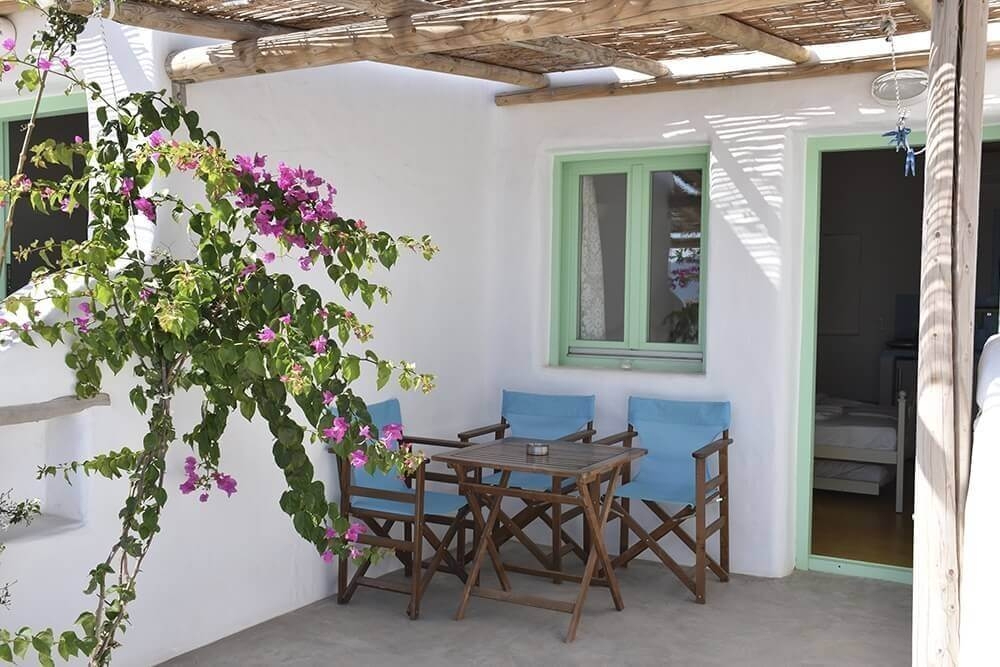
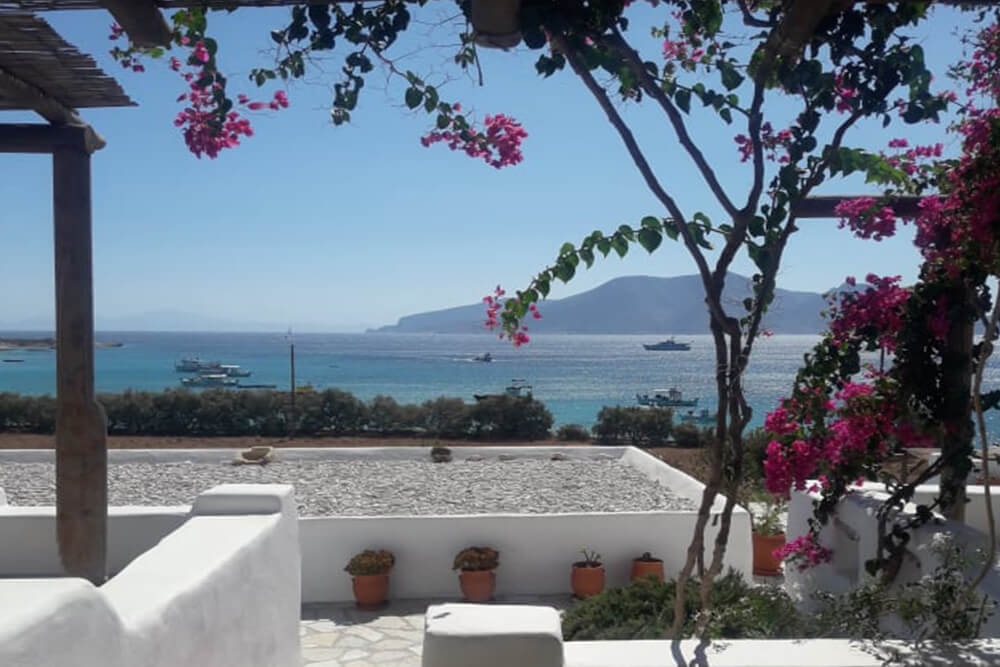
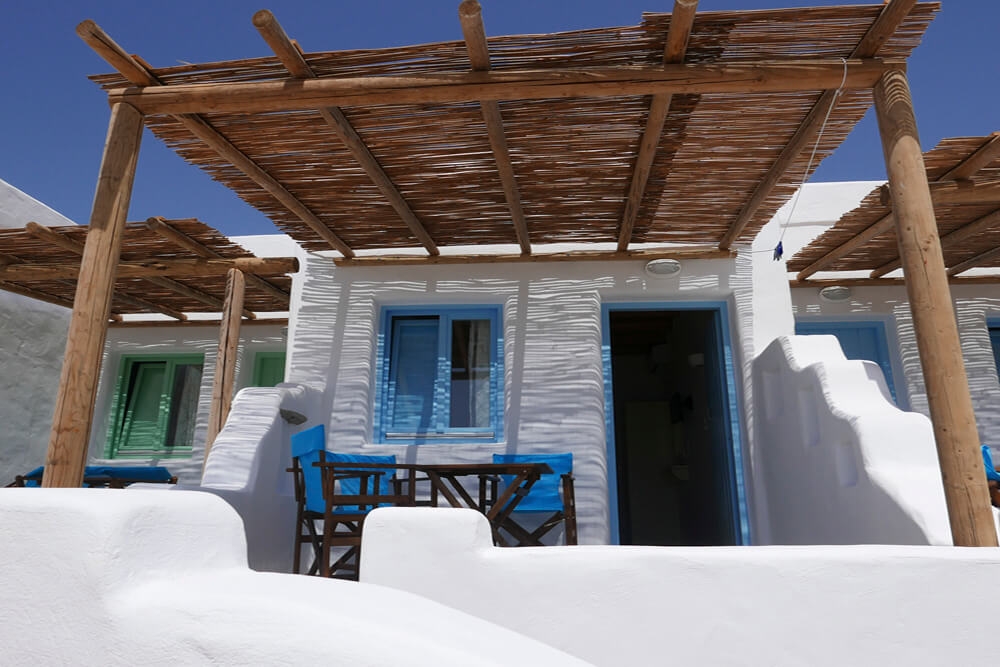
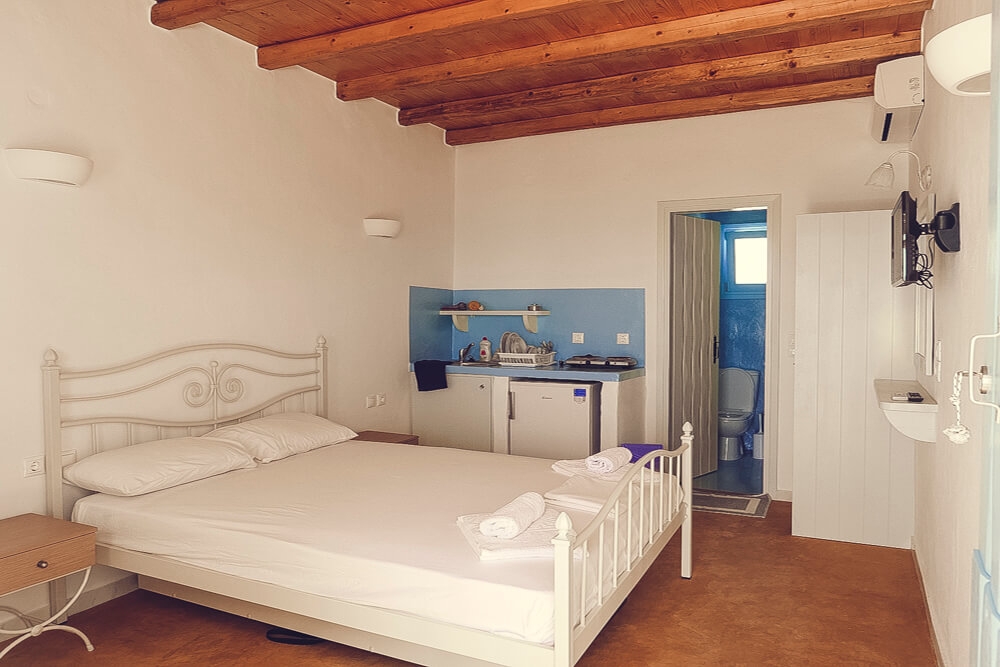
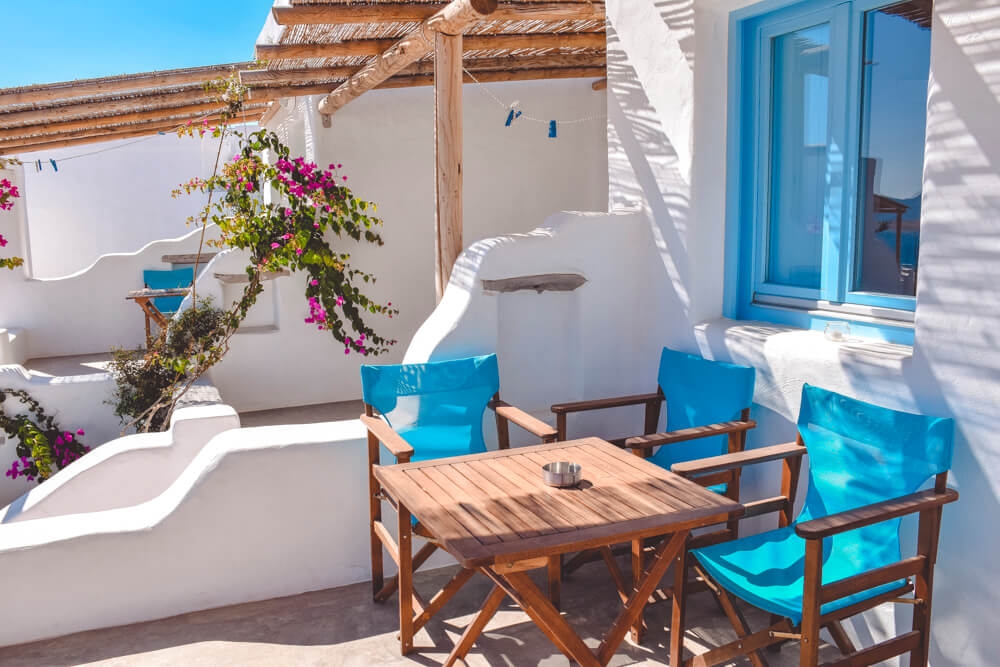
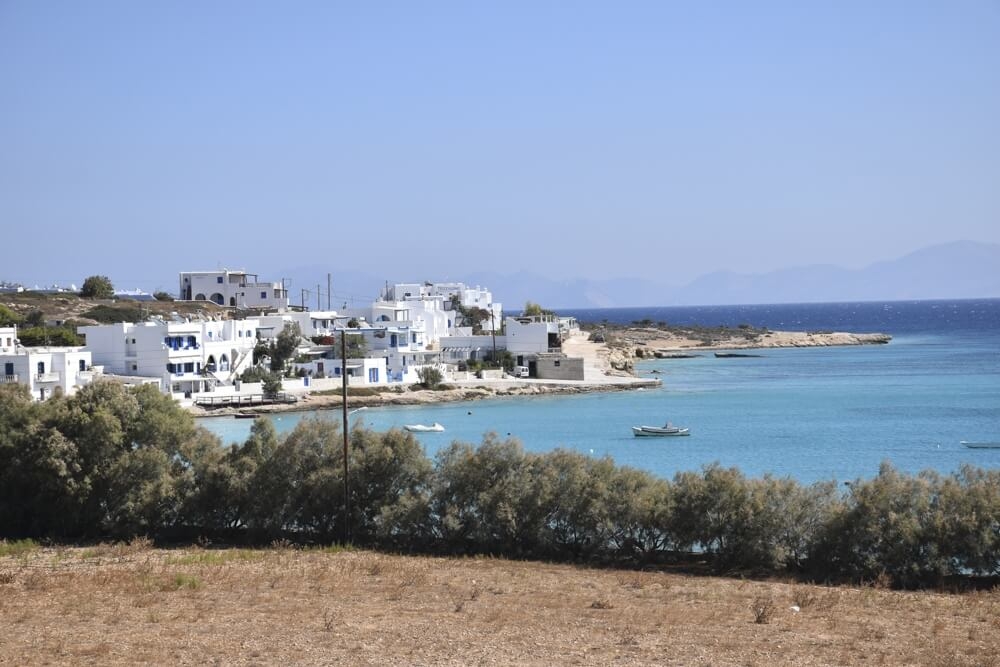
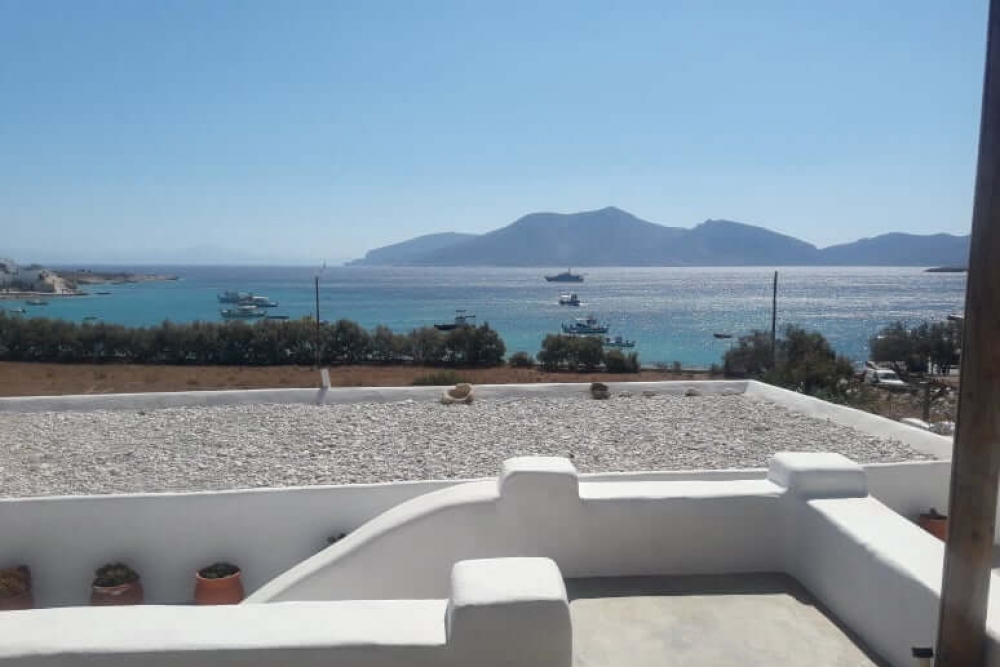
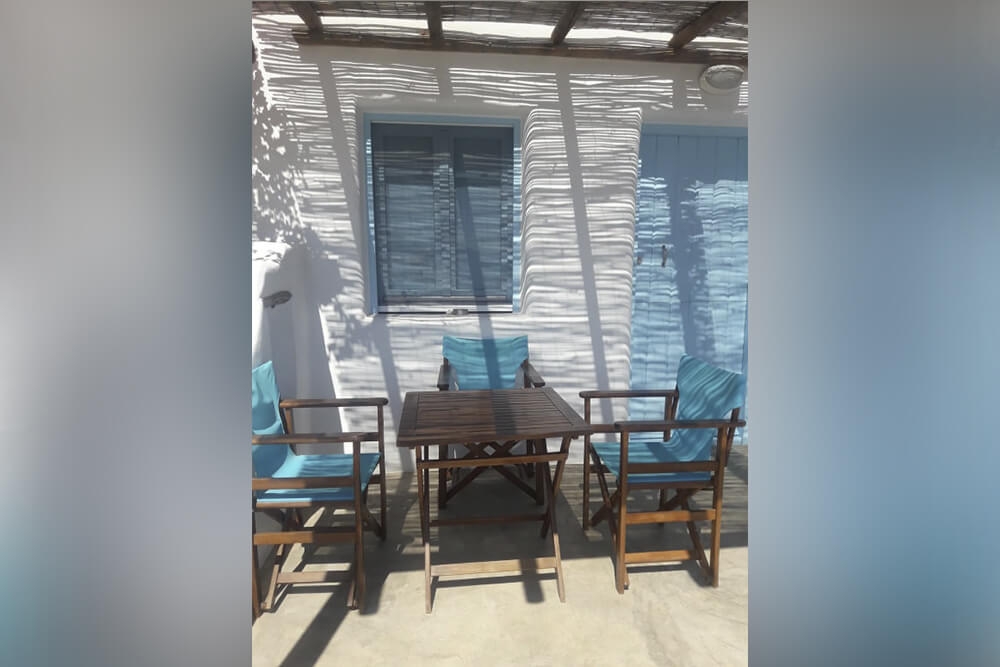
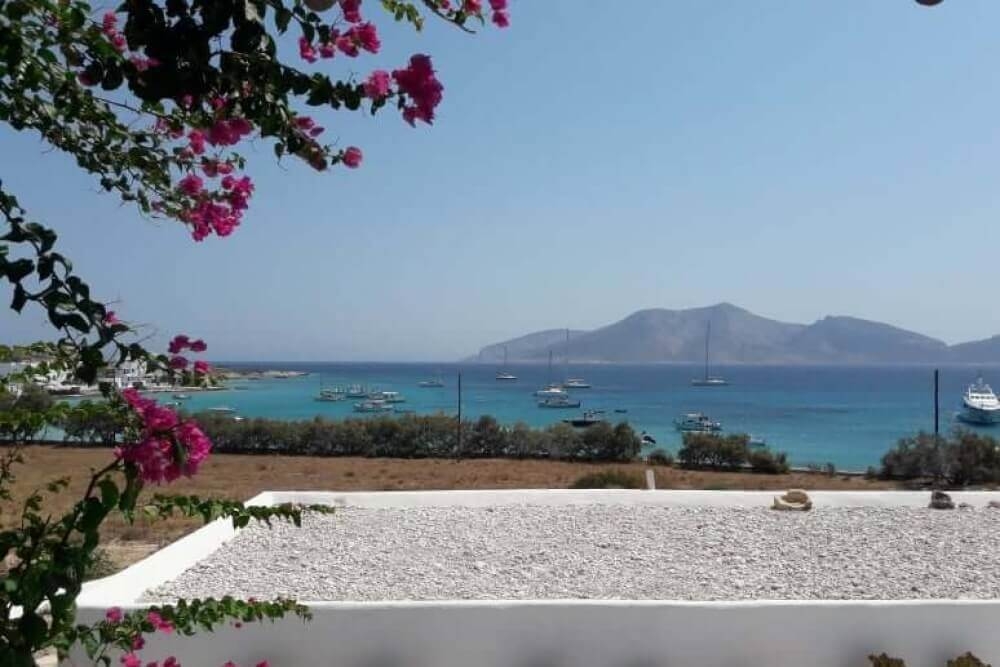
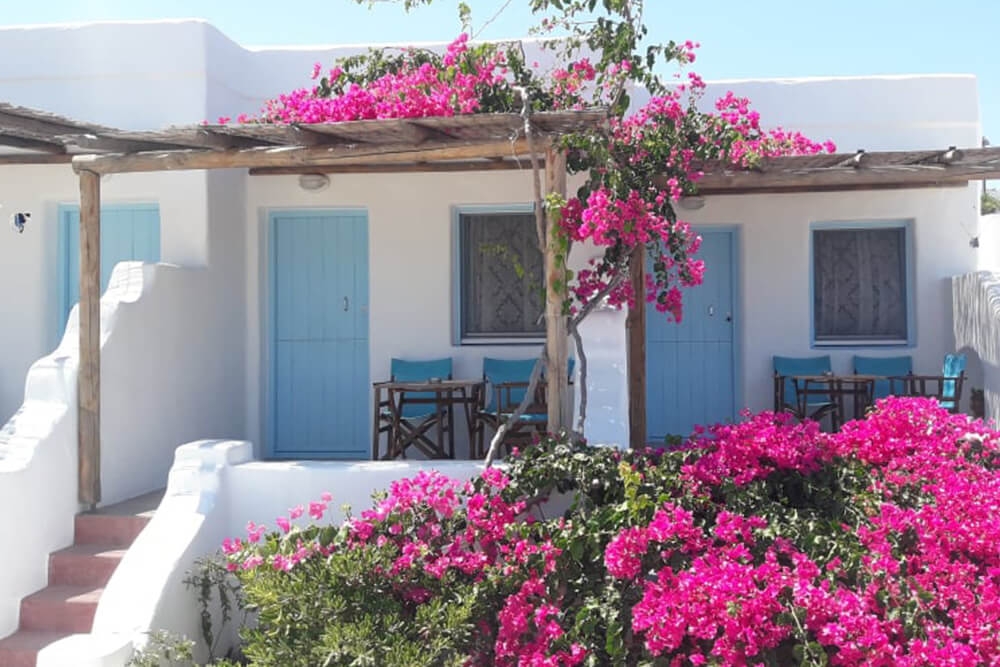
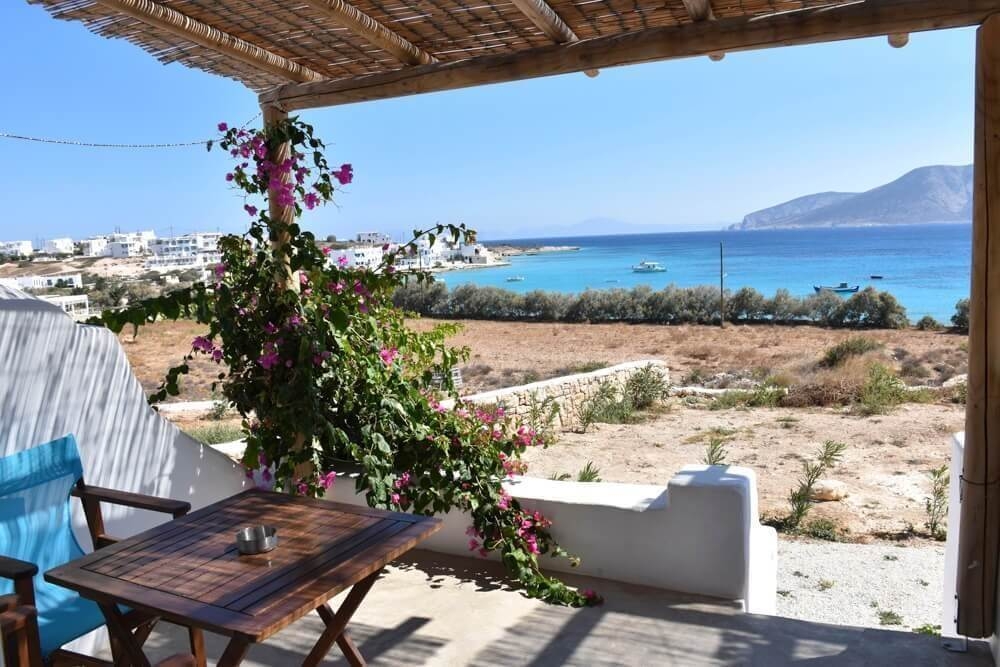
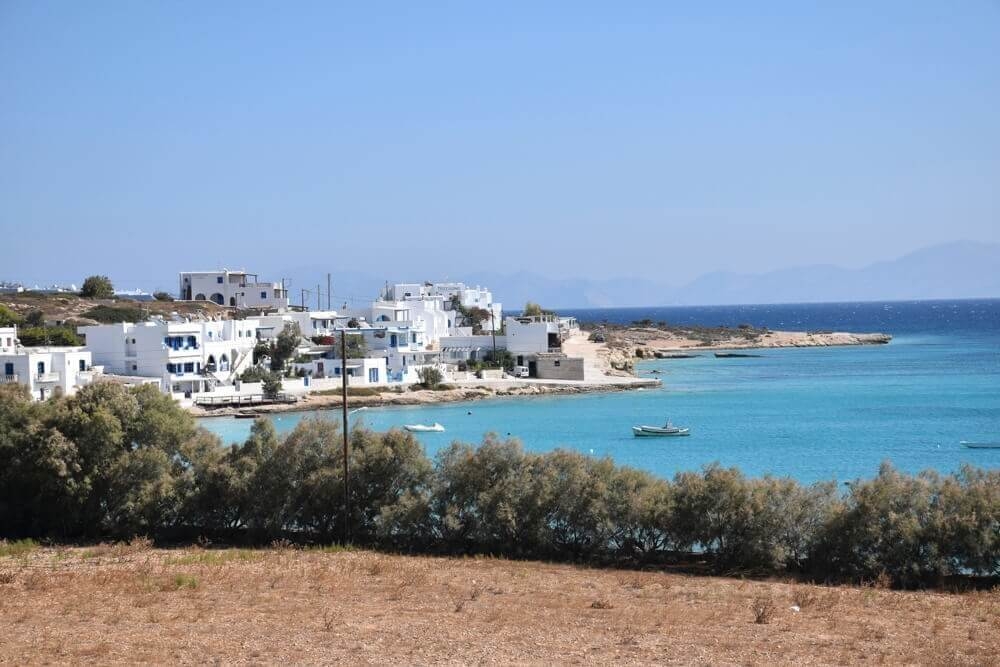
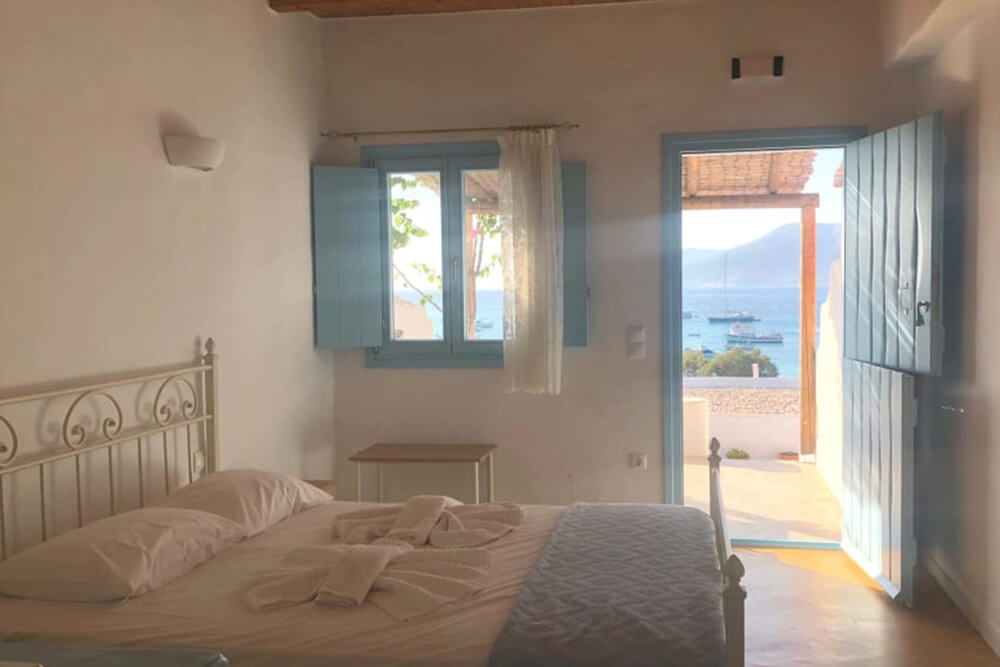
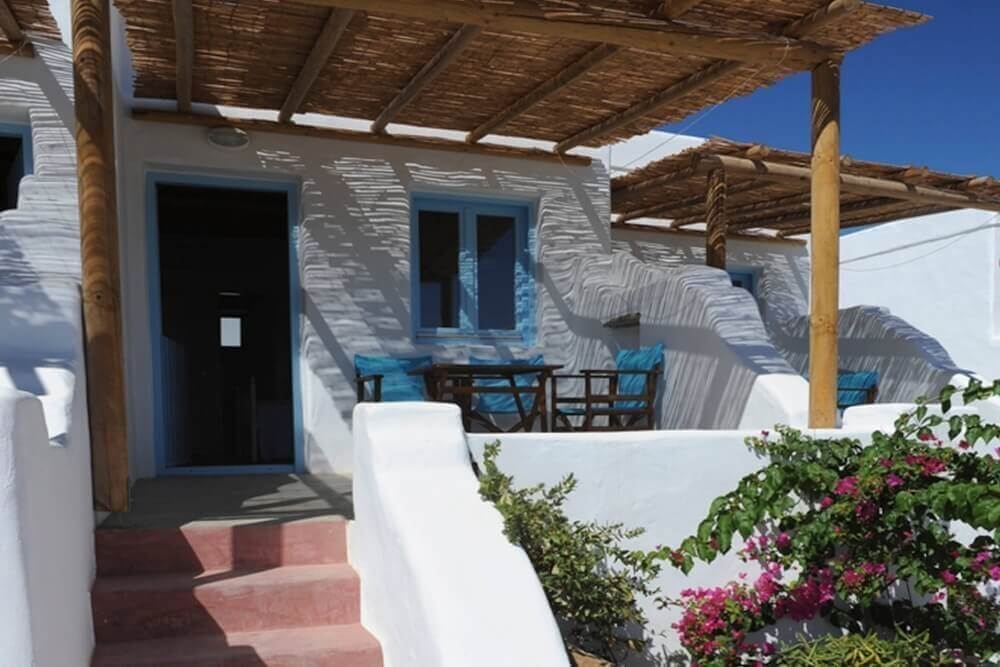
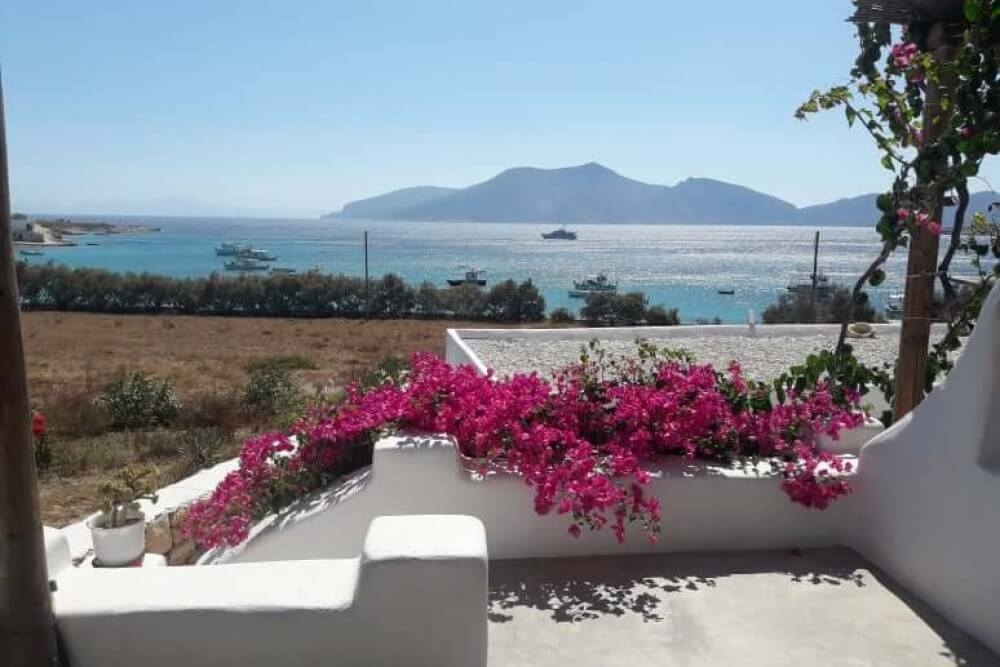
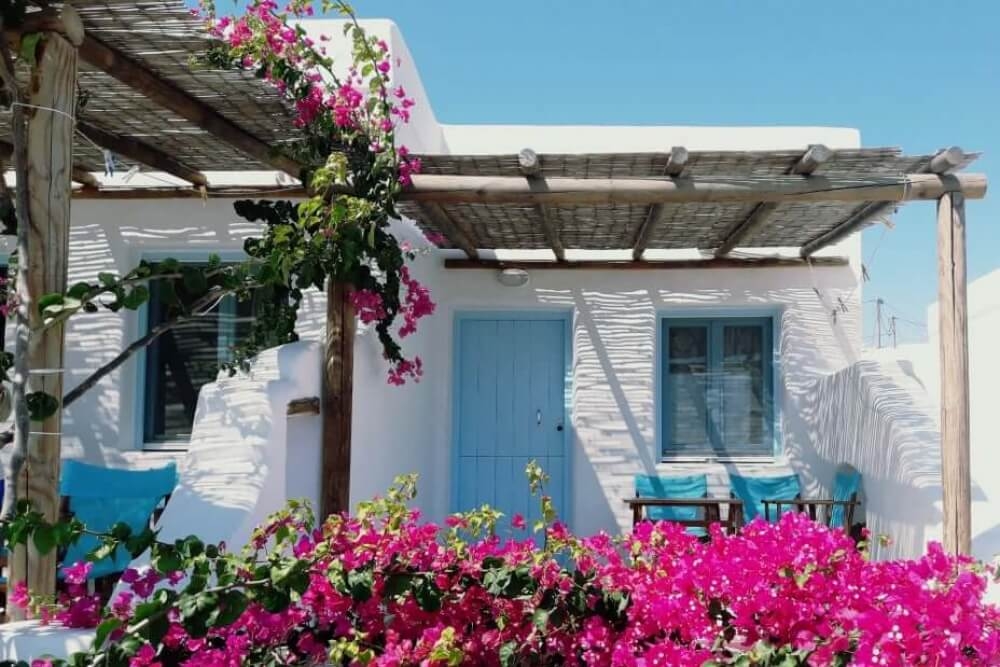
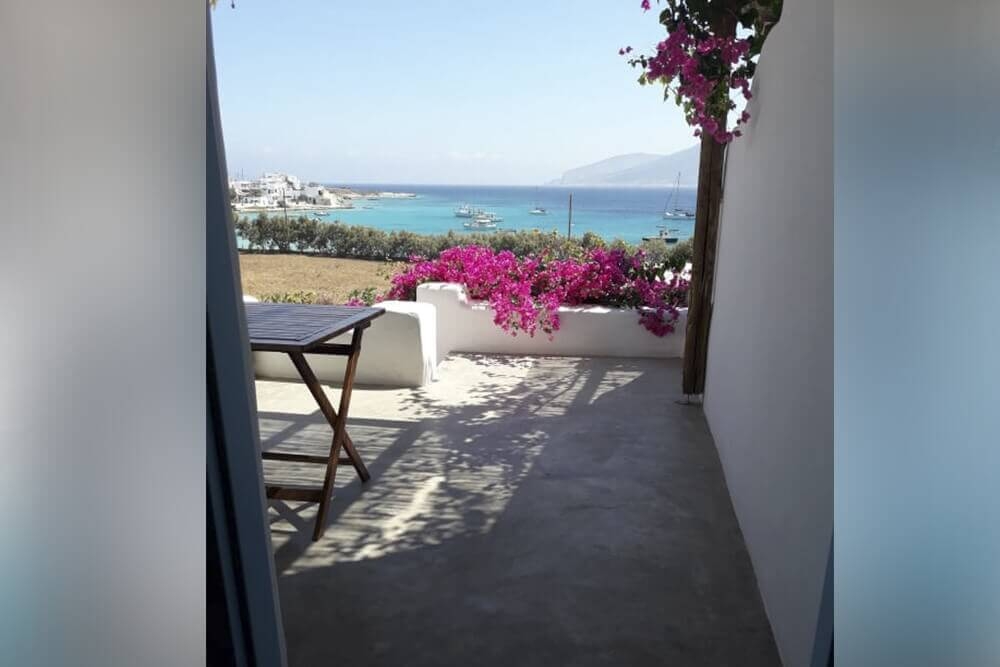
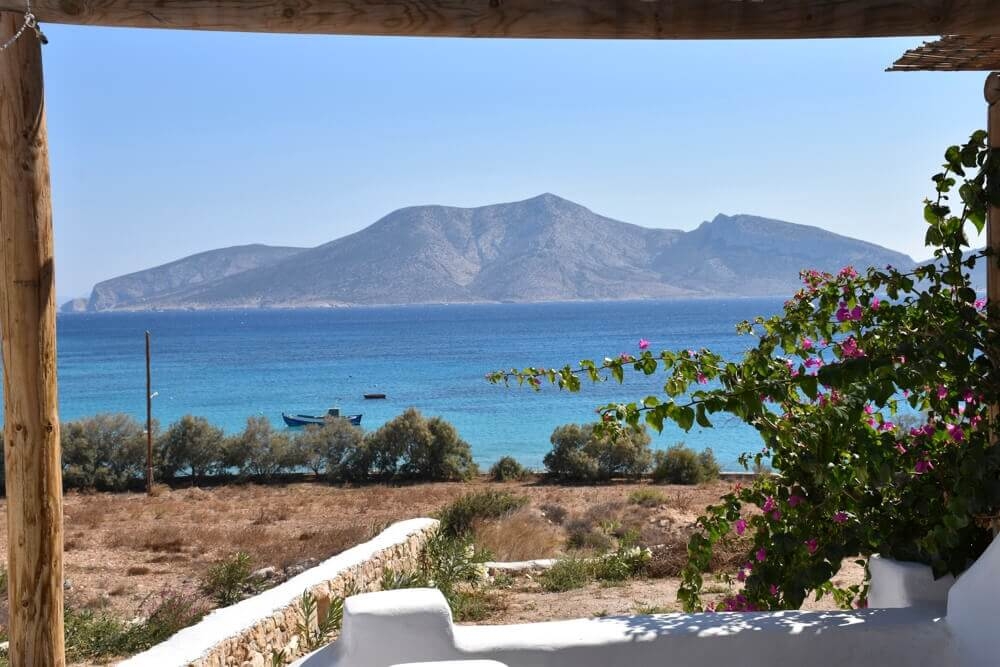
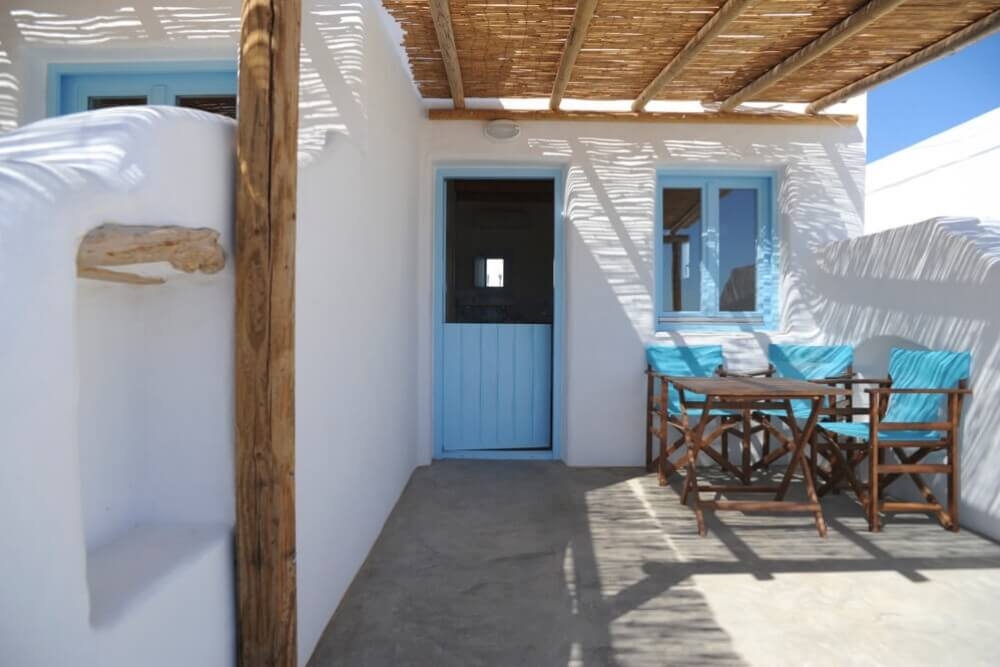
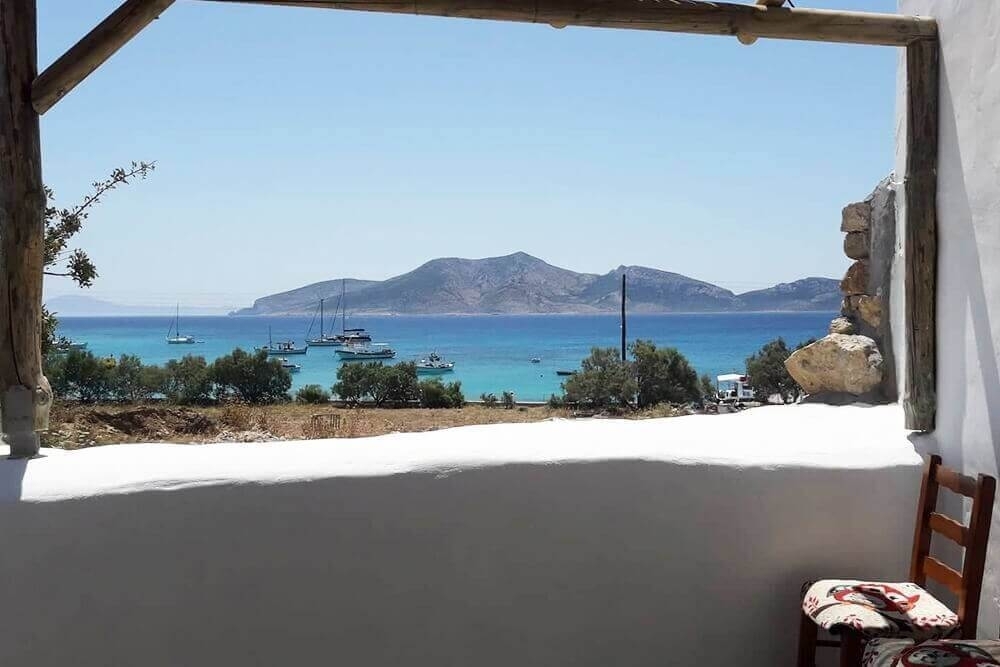
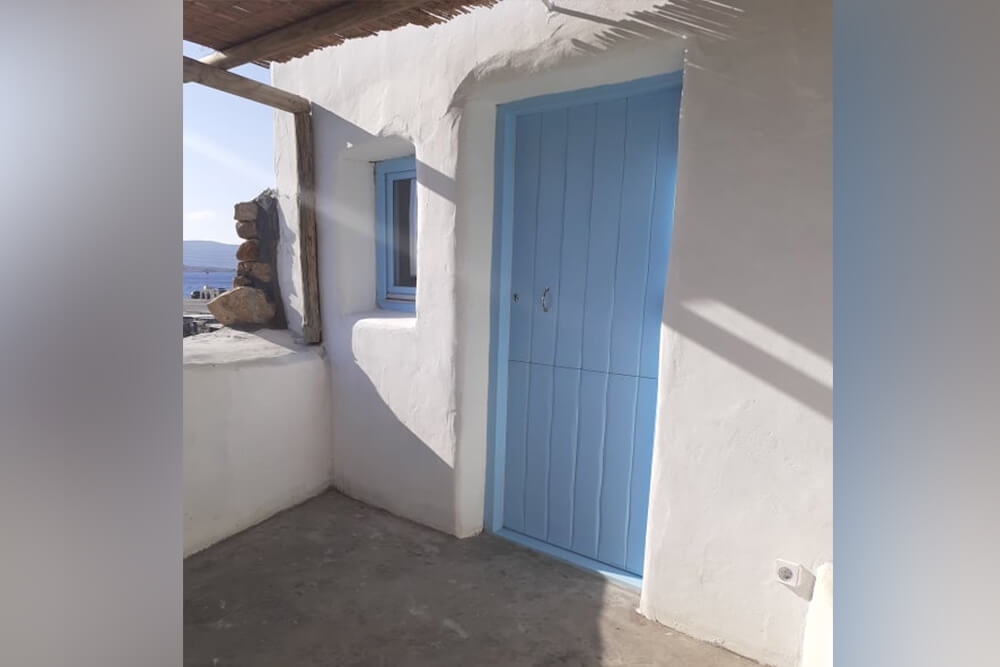
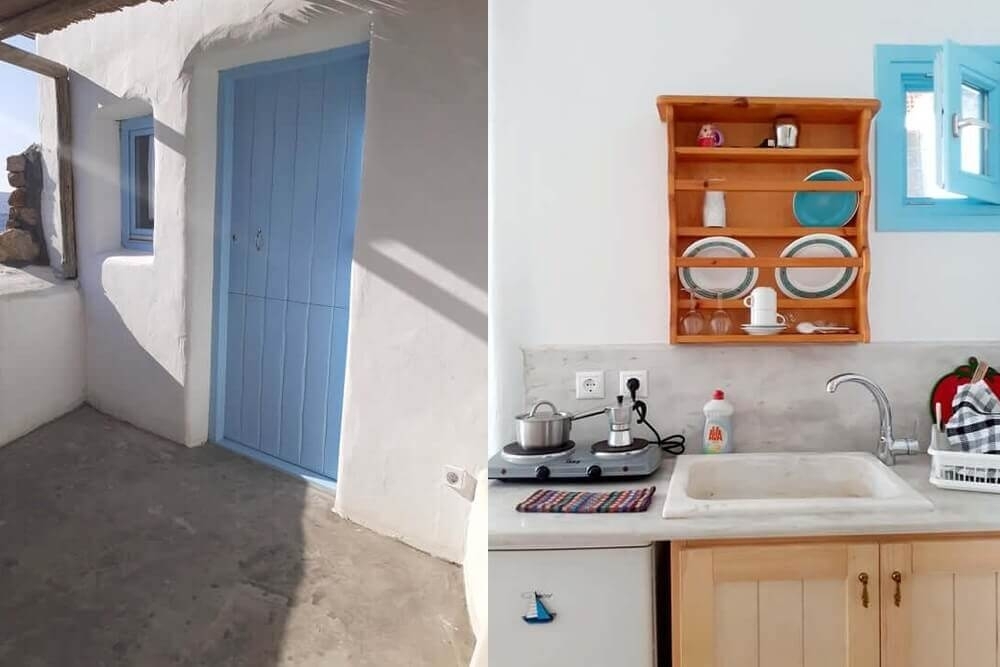
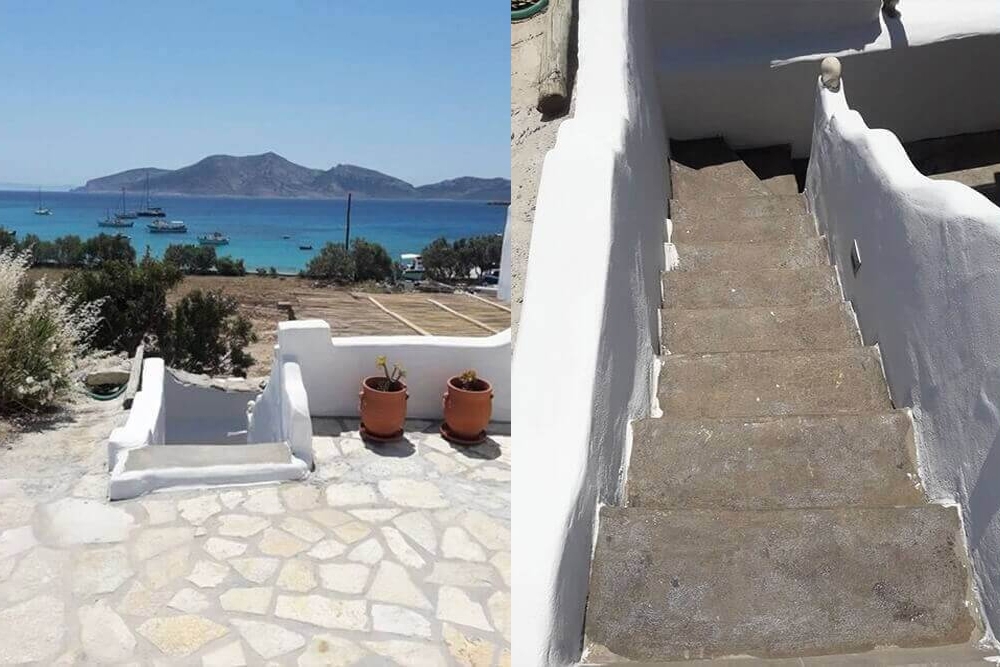
All the studios have a breathtaking view over the port and Koufonissi bay where the small fleet of colourful fishing boats give a joyful local aspect.
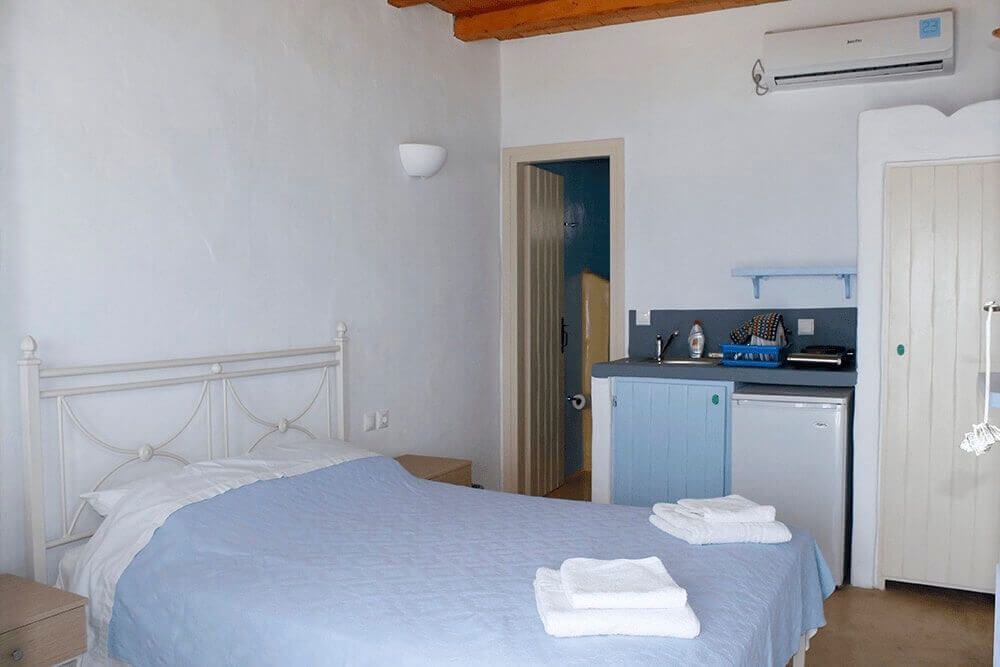
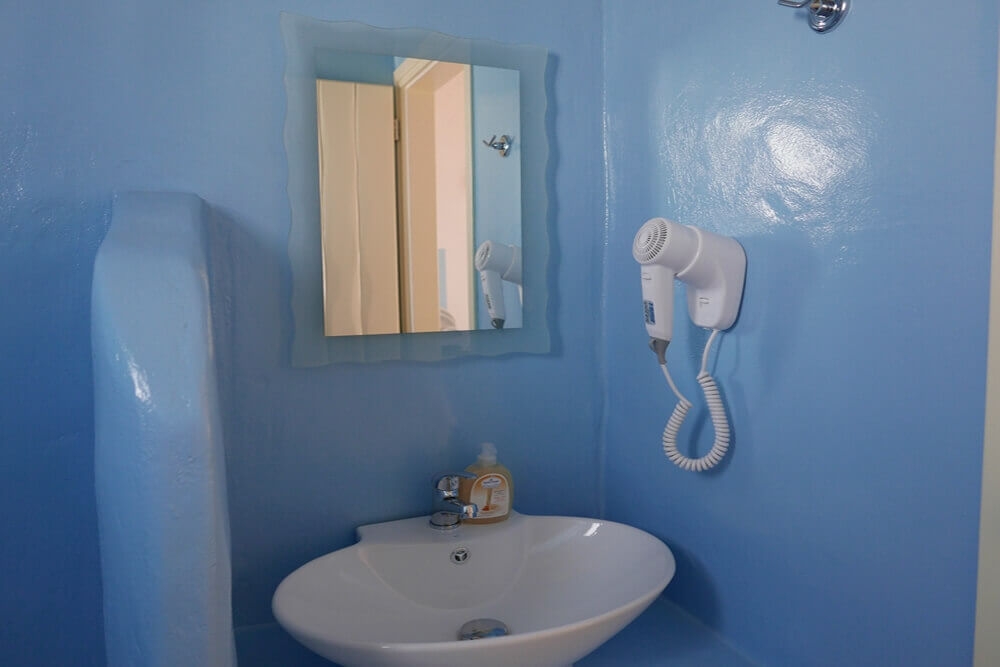
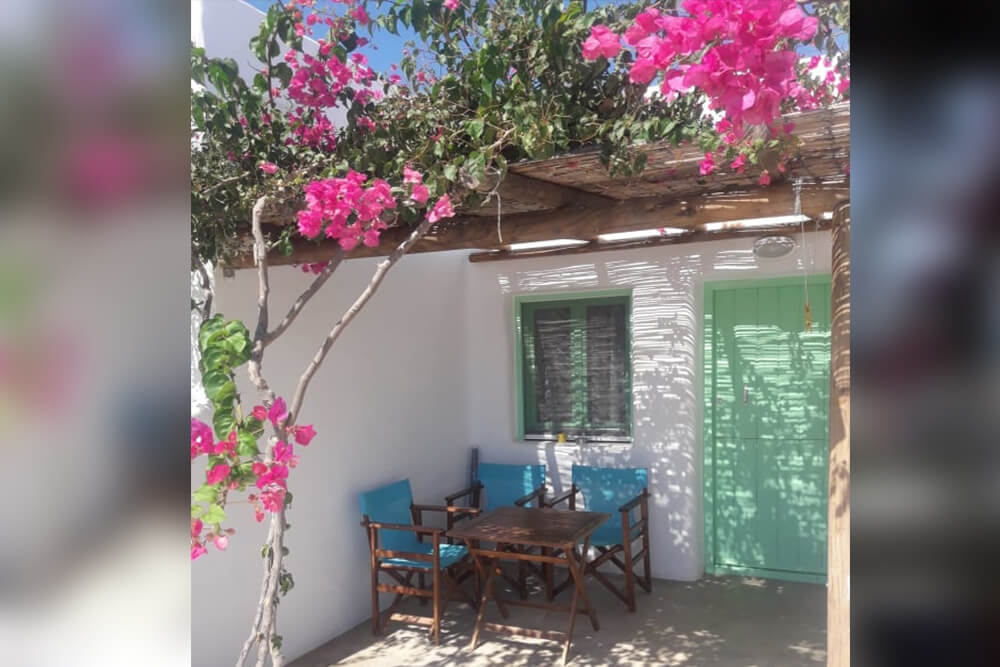
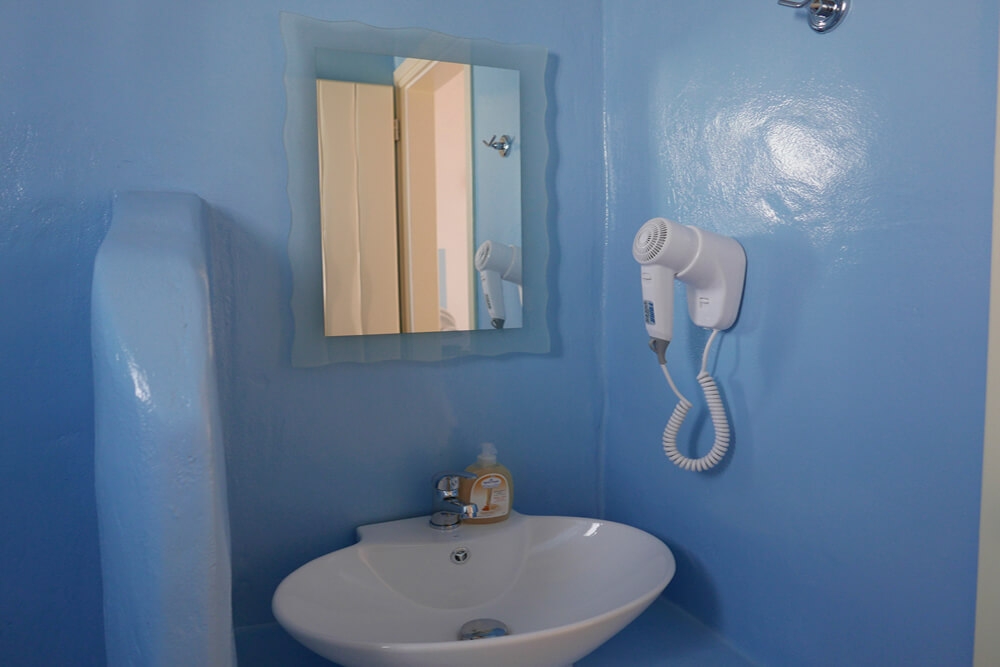
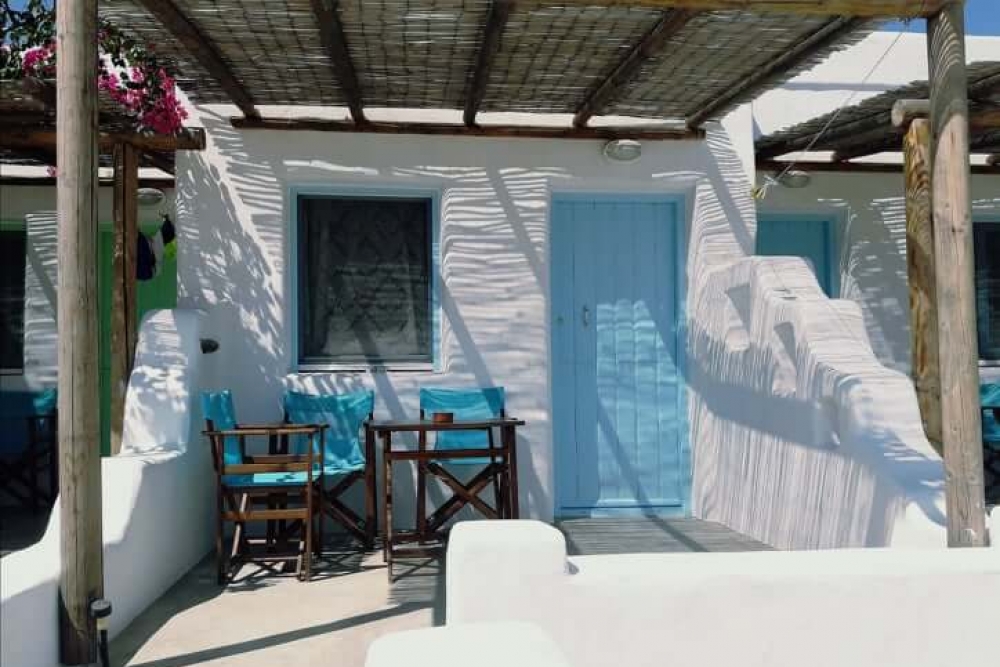
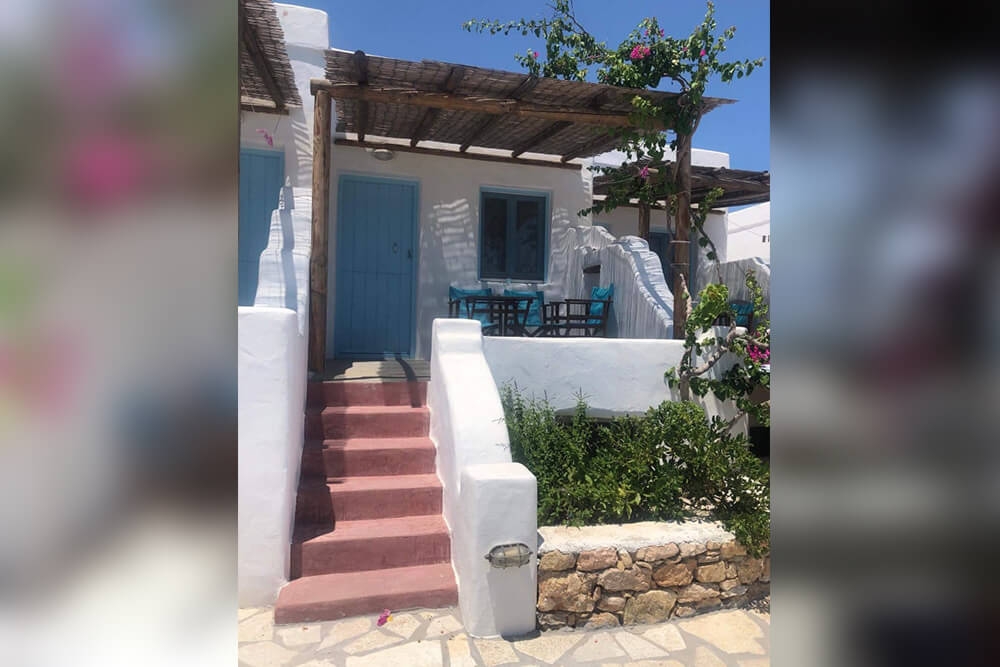
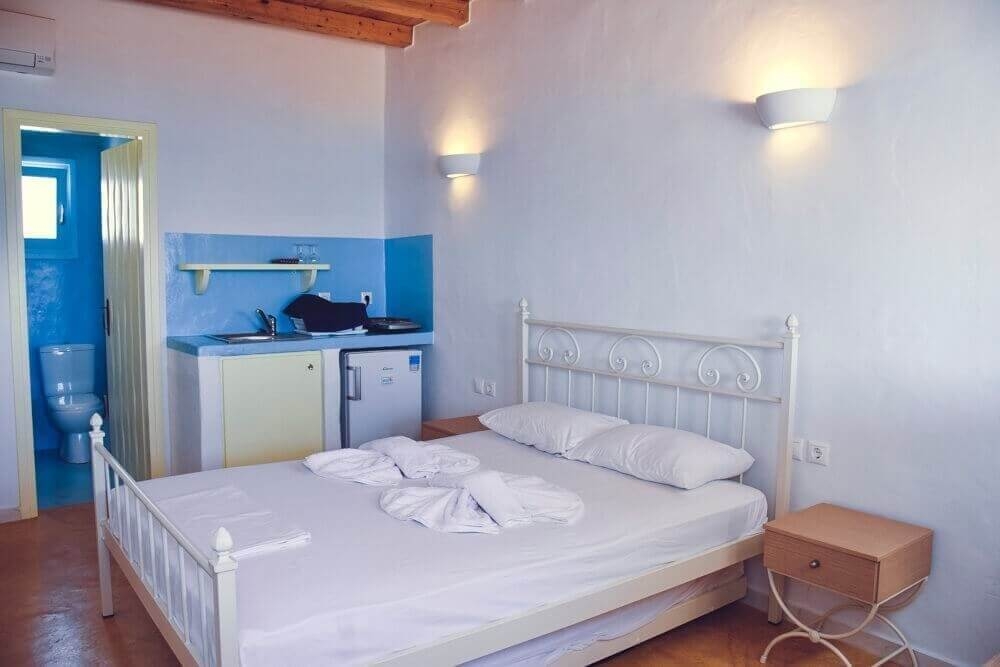
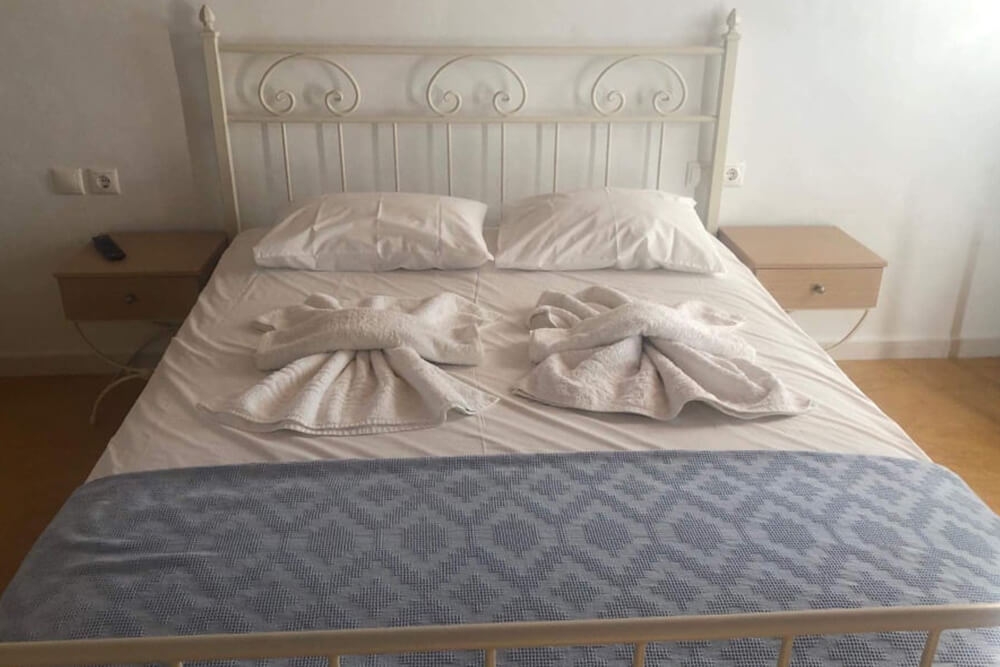
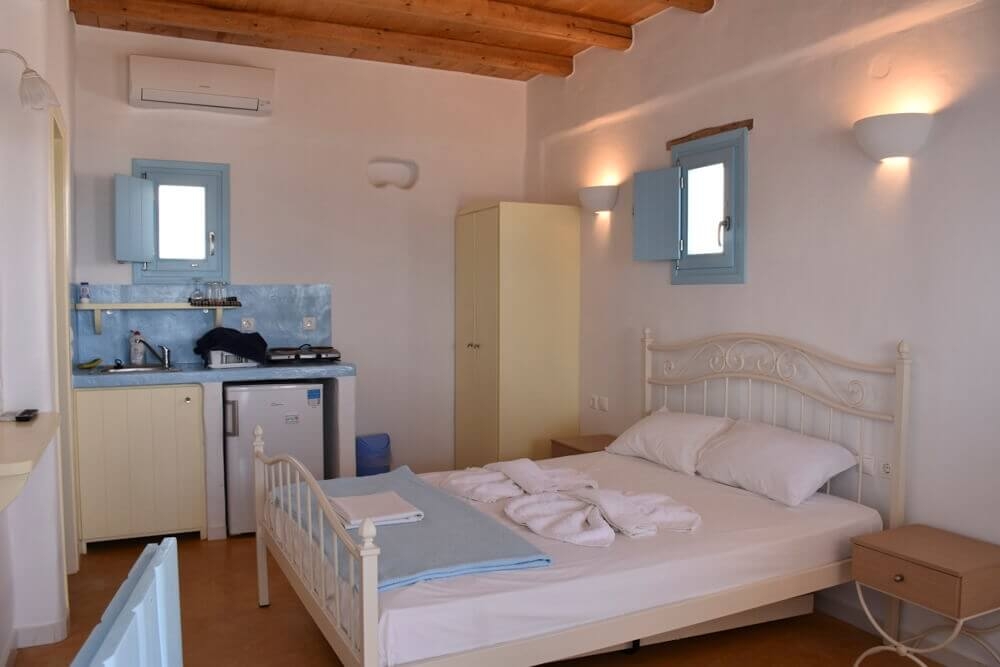
All the studios can host 3 people except n° 2 which can host 2 people.















LYRE
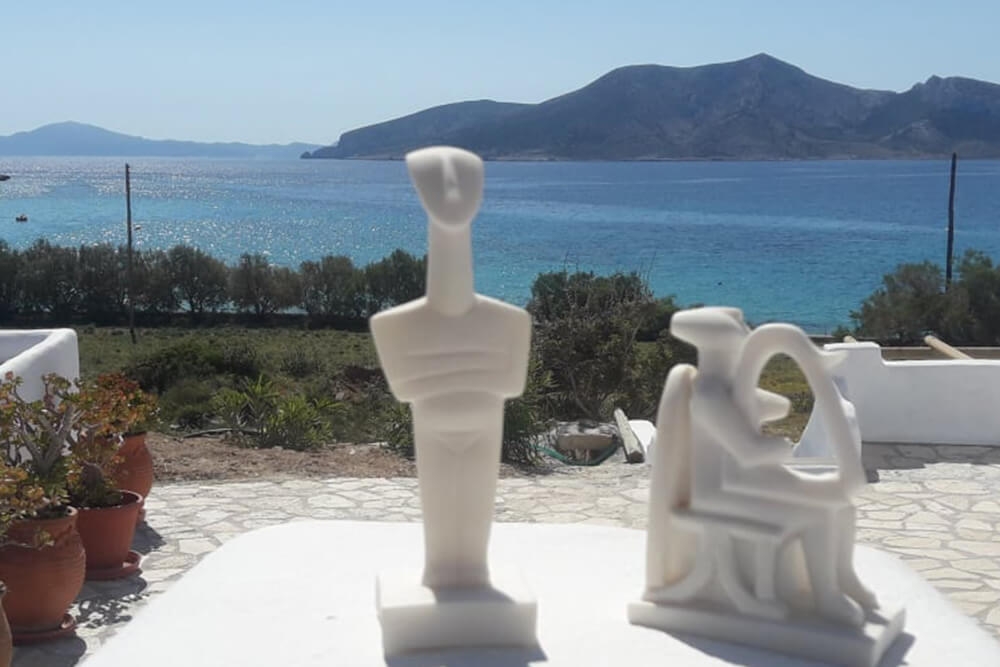
From the entrails and a tortoise/turtle shell, Hermes created the Lyre. Apollo, figuring out it was Hermes who had his cows, confronted the young god. Apollo was furious, but after hearing the sound of the lyre, his anger faded. Apollo offered to trade the herd of cattle for the lyre. Hence, the creation of the lyre is attributed to Hermes. Other sources credit it to Apollo himself.













LETO
In Greek mythology, Leto is a daughter of the Titans Coeus and Phoebe, the sister of Asteria, and the mother, by Zeus, of Apollo and Artemis. Leto was identified from the fourth century onwards with the principal local mother goddess of Anatolian Lycia, as the region became hellenized





















HARMONY
The term harmony derives from the Greek ἁρμονία (harmonía)meaning "joint, agreement, concord". The term was often used for the whole field of music, while "music" referred to the arts in general. In Ancient Greece, the term defined the combination of contrasted elements: a higher and lower note














MELODY
Melody also tune, voice, or line, is a linear succession of musical tones that the listener perceives as a single entity. In its most literal sense, a melody is a combination of pitch and rhythm, while more figuratively, the term can include successions of other musical elements such as tonal color.














DELPHI
Delphi is famous as the ancient sanctuary that grew rich as the seat of the oracle that was consulted on important decisions throughout the ancient classical world. Moreover, it was considered as the navel (or centre) of the world by the Greeks as represented by the Omphalos..
















DELOS
Delos had a position as a holy sanctuary for a millennium before Olympian Greek mythology made it the birthplace of Apollo and Artemis. From its Sacred Harbour, the horizon shows the two conical mounds that have identified landscapes sacred to a goddess in other sites: one, retaining its pre-Greek name Mount Kynthos, is crowned with a sanctuary of Zeus.















MUSES
The Muses in ancient Greek mythology were nine ancient goddesses. Apollo was their leader (Apollo Musagetes) .Firstly these goddesses were nymphs of mountains and water. Hesiod's Theogony recounts: "Mnemosyne slept in Pieria with Saturn's son and bore these virgins who make us forget our troubles and soothe our pains".













HELIOS
Its importance has been known since prehistoric times, leading the Sun to be worshipped as a deity. According to ancient Greek mythology, from Homer and Hesiod, was the son of the Titan Hyperion. Phoebus, also known as luminescent, was the name of the sun, the same as the god Apollo. In the evolution of the ancient Greek civilization, solar properties were attributed to Apollo.













PHOEBUS
Apollon's chief epithet meaning purifier, chaste, luminous. Truth, justice, purity, are guided and protected by him. Because of his truthfulness and integrity he was granted the gift of prophecy and oracles.